
Robotic Knee Surgery in India
Compare hospitals, specialists and costs for robotic knee surgery — and get a personalised quote from Medworld India within 24–48 hours.
- Available at
- 6 hospitals
Overview
Robotic Knee Replacement Surgery Cost in India
India has become one of the world's leading destinations for robotic knee replacement surgery, offering advanced technology, highly experienced orthopedic surgeons, and internationally accredited hospitals at a significantly lower cost than many Western countries.
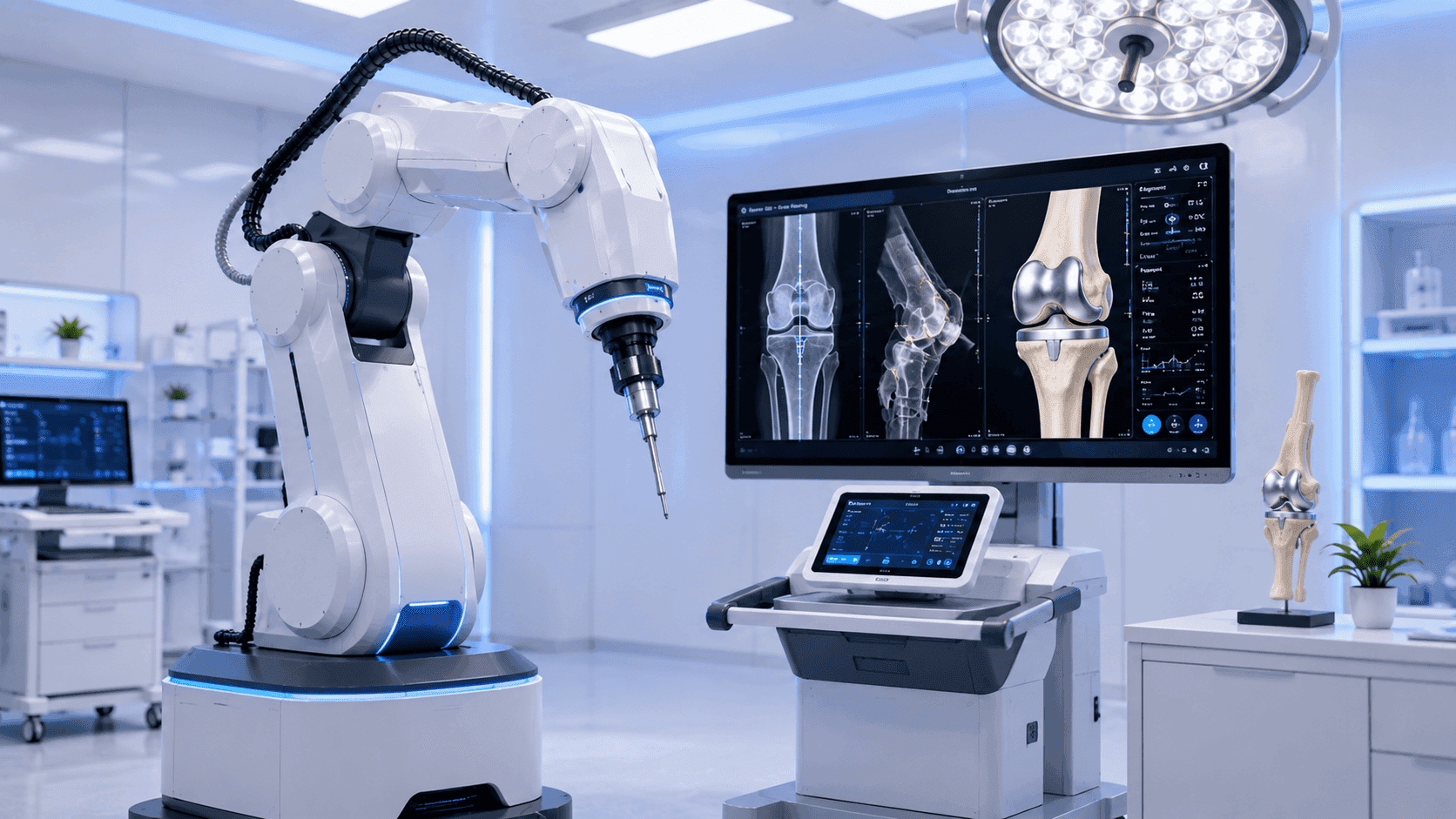
The cost of robotic knee surgery in India depends on several factors, including whether one or both knees require replacement, the type of implant used, the hospital, and the patient's overall medical condition.
Robotic Knee Replacement Surgery Cost in India
| Surgery Type | Cost (USD) |
|---|---|
| Robotic Unilateral Knee Replacement | USD 4,800 |
| Robotic Bilateral Knee Replacement | USD 7,600 |
Note: The above costs are indicative and may vary depending on the hospital, surgeon's expertise, implant brand, and the patient's medical requirements.
What is Robotic Knee Replacement Surgery?
Robotic knee replacement surgery is an advanced form of joint replacement that combines the expertise of an orthopedic surgeon with robotic-assisted technology. Before surgery, detailed imaging of the knee is used to create a personalized surgical plan. During the procedure, the robotic system assists the surgeon in placing the implant with exceptional precision while preserving healthy bone and soft tissue.
It is important to understand that the robot does not perform the surgery independently. The surgeon remains in complete control throughout the procedure.
Types of Robotic Knee Replacement
Robotic Unilateral Knee Replacement
This procedure is recommended when only one knee is severely affected by arthritis or joint damage. The damaged knee joint is replaced with an artificial implant using robotic-assisted technology, helping improve accuracy and recovery.
Robotic Bilateral Knee Replacement
Patients suffering from severe arthritis in both knees may undergo bilateral knee replacement, where both knees are replaced during the same surgical session or in a staged approach, depending on the patient's health and the surgeon's recommendation.
Factors Affecting Robotic Knee Surgery Cost in India
Several factors influence the total treatment cost, including:
- Whether one or both knees require replacement
- Choice of implant and implant manufacturer
- Hospital category and location
- Surgeon's experience
- Patient's age and overall health
- Complexity of the surgery
- Length of hospital stay
- Additional medical tests or treatments
Advantages of Robotic Knee Replacement
Robotic knee replacement offers several benefits compared to conventional knee replacement surgery by combining advanced technology with the expertise of an orthopedic surgeon. Key advantages include:
- Enhanced Surgical Precision: Robotic assistance helps the surgeon position the implant with a high degree of accuracy.
- Personalized Treatment Planning: A customized surgical plan is created based on the patient's unique knee anatomy.
- Improved Implant Alignment: Accurate implant placement may improve joint function and longevity.
- Preservation of Healthy Bone and Tissue: The robotic system helps minimize unnecessary damage to surrounding bone and soft tissues.
- Smaller and More Accurate Bone Cuts: Precise bone preparation supports better implant fitting.
- Reduced Blood Loss: Greater surgical accuracy may help minimize bleeding during the procedure.
- Less Post-Operative Pain: Many patients experience reduced discomfort following robotic-assisted surgery.
- Faster Recovery: Improved precision and reduced tissue trauma can contribute to quicker rehabilitation.
- Better Knee Function: Patients often experience improved mobility, stability, and range of motion after recovery.
- Lower Risk of Implant Misalignment: Precise implant positioning may reduce wear and improve long-term performance.
- Potentially Longer Implant Lifespan: Proper alignment and balanced joint movement may help increase the durability of the knee implant.
- Higher Patient Satisfaction: Many patients report improved quality of life and better functional outcomes after robotic knee replacement.
Who is a Candidate for Robotic Knee Replacement?
You may be a suitable candidate if you have:
- Severe knee osteoarthritis
- Rheumatoid arthritis
- Persistent knee pain despite medication
- Difficulty walking or climbing stairs
- Knee deformity
- Poor quality of life due to chronic knee pain
An orthopedic specialist will evaluate your condition through clinical examination and imaging before recommending robotic knee replacement.
Recovery After Robotic Knee Surgery
Recovery varies from patient to patient, but most individuals can expect:
- Walking with assistance within 24–48 hours
- Hospital stay of approximately 3–5 days
- Return to light daily activities within 4–6 weeks
- Continued physiotherapy for strength and mobility
- Full recovery over the next few months
Following the rehabilitation plan is essential for achieving the best possible outcome.
Hospitals offering robotic knee surgery






Specialists for robotic knee surgery



Get a personalised quote for robotic knee surgery
Share your reports — no cost, no obligation, reply within 24–48 hours.