
Advanced Spine Surgery Options
Spine-related conditions can significantly affect a person's quality of life, causing persistent back pain, neck pain, nerve compression, limited mobility, and difficulty performing everyday activities. With advancements in medical technology, spine surgery has become safer, more precise, and more effective for many patients.
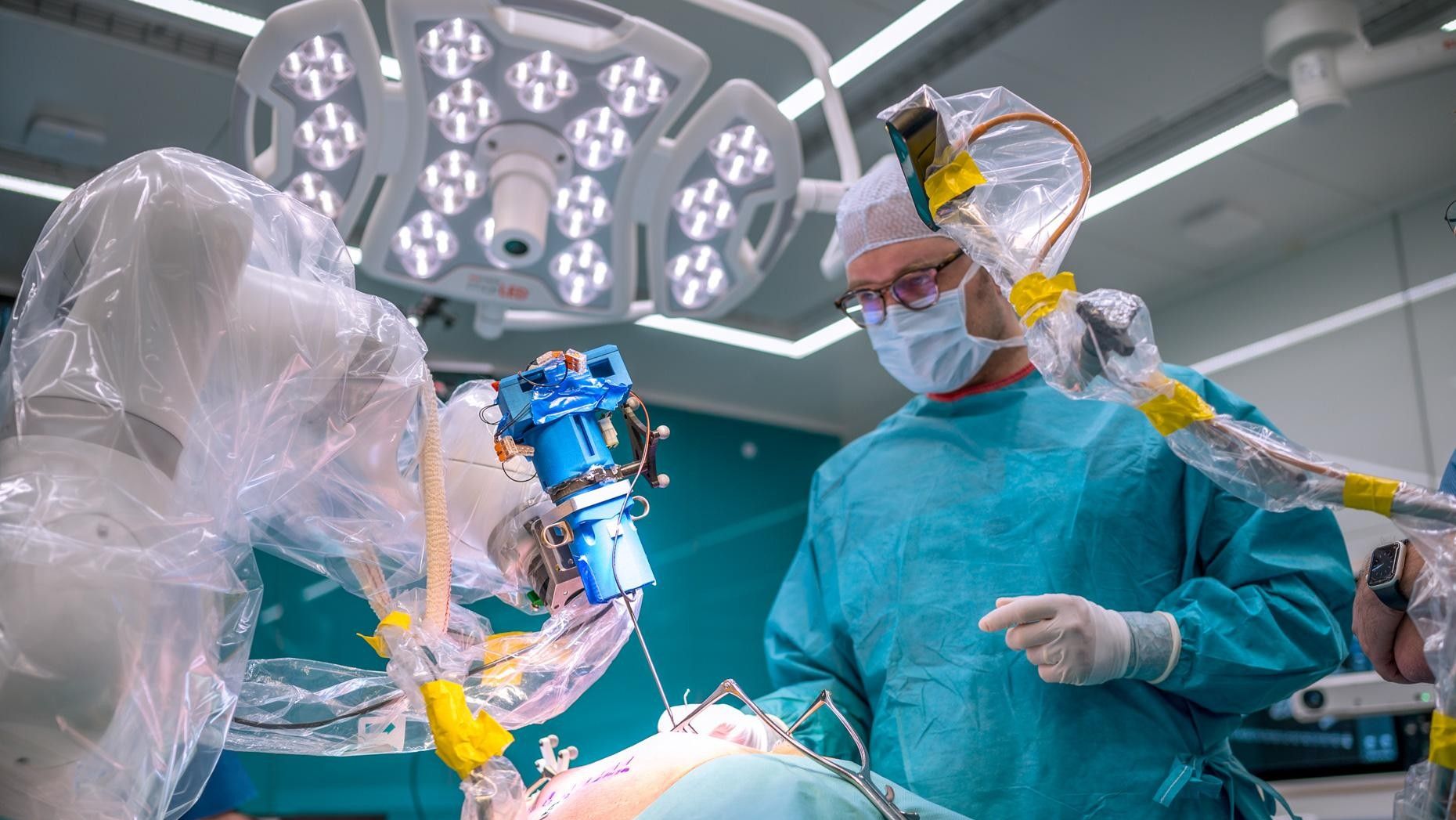
Advanced Spine Surgery Options in India: Modern Treatments, Techniques and Benefits
Spine-related conditions can significantly affect a person's quality of life, causing persistent back pain, neck pain, nerve compression, limited mobility, and difficulty performing everyday activities. With advancements in medical technology, spine surgery has become safer, more precise, and more effective for many patients.
India has emerged as a leading destination for advanced spine surgery, offering modern surgical techniques, experienced spine specialists, internationally accredited hospitals, and comprehensive treatment options at competitive costs.
At MedWorldIndia, we help international patients explore suitable spine treatment options in India by connecting them with experienced spine surgeons and leading hospitals while assisting with medical appointments, treatment planning, visa support, travel arrangements, and accommodation.
What Is Advanced Spine Surgery?
Advanced spine surgery refers to modern surgical procedures used to diagnose and treat complex spinal conditions. These procedures aim to relieve nerve pressure, stabilize the spine, correct spinal deformities, and restore mobility.
Depending on the patient's medical condition, doctors may recommend minimally invasive procedures, endoscopic surgery, robotic-assisted techniques, or traditional open spine surgery.
The choice of treatment depends on the patient's diagnosis, medical history, imaging results, and overall health.
Common Spine Conditions That May Require Surgery
Several spinal conditions may require surgical intervention when medication, physiotherapy, and other non-surgical treatments do not provide sufficient relief.
Common conditions include:
- Herniated Disc: Occurs when the soft inner portion of a spinal disc pushes through its outer layer and may compress nearby nerves.
- Spinal Stenosis: Narrowing of the spinal canal that can put pressure on the spinal cord or nerves.
- Spondylolisthesis: A condition in which one vertebra slips forward over another.
- Degenerative Disc Disease: Age-related changes in spinal discs that may cause pain and reduced flexibility.
- Spinal Deformities: Conditions such as scoliosis and kyphosis that affect the natural alignment of the spine.
- Spinal Fractures: Injuries caused by accidents, trauma, or weakened bones.
- Spinal Tumours: Abnormal growths affecting the spinal bones, spinal cord, or surrounding tissues.
Advanced Spine Surgery Options Available in India
Modern hospitals in India offer several advanced spine surgery techniques. The recommended procedure depends on the patient's specific spinal condition.
1. MinimallyInvasive Spine Surgery (MISS)
Minimally Invasive Spine Surgery uses small incisions and specialized surgical instruments to access the affected area of the spine.
Unlike conventional open surgery, this technique generally involves less muscle disruption and may help reduce postoperative pain and recovery time.
Benefits:
- Smaller surgical incisions
- Less damage to surrounding muscles
- Reduced blood loss in suitable cases
- Shorter hospital stays in many cases
- Potentially faster recovery
2. Endoscopic Spine Surgery
Endoscopic spine surgery is an advanced minimally invasive procedure performed using a small camera called an endoscope.
The surgeon uses specialized instruments to access and treat the affected spinal area through a small incision. It is commonly used for selected cases of herniated discs and nerve compression.
Benefits:
- Very small incision
- Limited tissue disruption
- Reduced postoperative discomfort in suitable patients
- Earlier mobilization in many cases
- Potentially shorter recovery period
3. Robotic-Assisted Spine Surgery
Robotic-assisted spine surgery uses advanced computer-guided technology to help surgeons plan and perform specific spinal procedures with precision.
It is particularly useful in selected spinal fusion procedures where accurate placement of screws and implants is important.
Benefits:
- Advanced surgical planning
- Improved precision in implant placement
- Better visualization and guidance
- Support for complex spinal procedures
Robotic systems assist the surgeon but do not independently perform the operation.
4. Artificial Disc Replacement (ADR)
Artificial Disc Replacement is a surgical procedure in which a damaged spinal disc is replaced with an artificial implant.
It is commonly considered for selected patients with cervical or lumbar disc degeneration. The goal is to relieve pain while preserving movement at the treated spinal level.
Benefits:
- Preserves motion at the treated level
- May reduce stress on neighbouring spinal segments
- Can help relieve symptoms caused by disc degeneration
- May offer an alternative to spinal fusion for eligible patients
5. Spinal Fusion Surgery
Spinal fusion is a procedure in which two or more vertebrae are permanently joined together using bone grafts, screws, rods, or other implants.
It may be recommended for spinal instability, severe degenerative conditions, certain fractures, and spinal deformities.
Benefits:
- Stabilizes the affected spinal segment
- Helps correct certain spinal deformities
- Reduces painful movement between vertebrae
- Supports spinal alignment
6. Cervical Spine Surgery
Cervical spine surgery focuses on treating conditions affecting the neck region of the spine.
Common procedures include:
- Anterior Cervical Discectomy and Fusion (ACDF)
- Cervical Disc Replacement
- Cervical Laminectomy
- Cervical Laminoplasty
- Cervical Foraminotomy
These procedures may help relieve neck pain, arm pain, numbness, weakness, and spinal cord compression, depending on the underlying condition.
7. Lumbar Spine Surgery
Lumbar spine surgery treats conditions affecting the lower back, particularly those involving nerve compression, disc problems, and spinal instability.
Common procedures include:
- Lumbar Microdiscectomy
- Lumbar Decompression Surgery
- Laminectomy
- Lumbar Spinal Fusion
- Endoscopic Discectomy
The main objectives are to relieve nerve pressure, reduce symptoms, and improve mobility where possible.
Advanced Technologies Used in Modern Spine Surgery
Leading hospitals may use several advanced technologies to support spinal procedures.
- 3D Imaging and Navigation: Helps surgeons visualize spinal anatomy and plan procedures.
- Intraoperative Neuromonitoring: Monitors selected nerve and spinal cord functions during surgery.
- Robotic Navigation Systems: Assist with planning and accurate implant placement.
- High-Resolution Microscopes: Provide magnified visualization during delicate procedures.
- Advanced Spinal Implants: Support stabilization, alignment, and reconstruction.
The availability of these technologies varies between hospitals and procedures.
Why Choose India for Advanced Spine Surgery?
India is an attractive destination for international patients seeking advanced spinal treatment.
Some important advantages include:
1. Experienced Spine Specialists
India has qualified neurosurgeons and orthopaedic spine surgeons experienced in treating a wide range of spinal conditions.
2. Advanced Medical Infrastructure
Leading hospitals offer modern operating rooms, advanced imaging facilities, intensive care units, and minimally invasive surgical technologies.
3. Cost-Effective Treatment
Spine surgery in India may be more affordable than in several other countries, depending on the hospital, procedure, implants, and complexity of treatment.
4. Comprehensive Patient Support
International patients can access assistance with medical consultations, hospital coordination, accommodation, airport transfers, and travel arrangements.
5. Multiple Treatment Options
Patients can explore different surgical and non-surgical treatment approaches based on their diagnosis and specialist recommendations.
Recovery After Advanced Spine Surgery
Recovery depends on the type of surgery, the patient's health, and the complexity of the spinal condition.
A general recovery journey may include:
- Initial Recovery: Monitoring in the hospital, pain management, and early movement when medically appropriate.
- Rehabilitation: Physiotherapy and guided exercises to improve strength and mobility.
- Follow-Up: Regular consultations to monitor healing and recovery.
- Long-Term Care: Lifestyle modifications, posture improvement, and exercises as recommended by the treating specialist.
Recovery time varies significantly. Patients should follow their surgeon's instructions and avoid strenuous activities until medically cleared.
Cost of Spine Surgery in India
The cost of spine surgery in India depends on several factors, including:
- Type of spinal condition
- Surgical technique used
- Hospital and surgeon selection
- Type and number of implants required
- Length of hospital stay
- Diagnostic tests and rehabilitation requirements
Minimally invasive surgery, endoscopic procedures, spinal fusion, and artificial disc replacement may have different cost structures.
International patients should request a personalized treatment estimate after sharing their medical reports and imaging.
Conclusion
Advancements in spine surgery have introduced several treatment options, including minimally invasive spine surgery, endoscopic procedures, robotic-assisted techniques, artificial disc replacement, and spinal fusion.
India offers access to experienced spine specialists, advanced medical facilities, and a wide range of treatment options for international patients.
If you or a family member is considering spine surgery, consult a qualified spine specialist to understand the most appropriate treatment based on your medical condition.
Contact MedWorldIndia today to explore advanced spine surgery options in India and receive assistance with your medical treatment journey.